
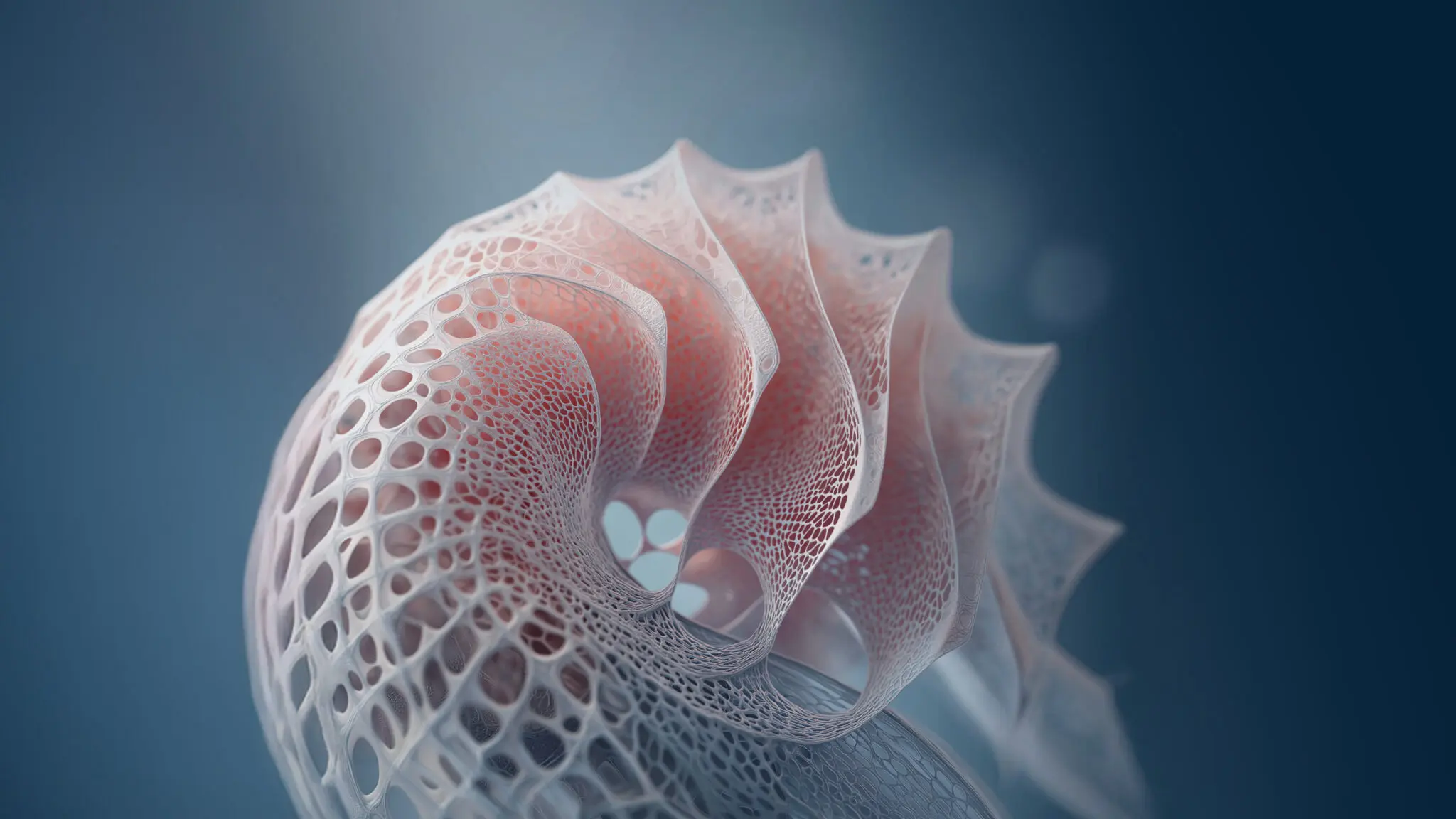
Each year, the global seafood industry discards millions of tons of shrimp shells, often in the very waters in which they were caught and processed. In the Arctic town of Siglufjörður, Iceland, a biotech company is transforming these marine byproducts into biomaterials, materials intended to work with the body to support healing safely.
One of those materials is ChitoBiomer™, a chitin-based technology developed by Genis to support patient recovery after orthopedic procedures such as joint replacements, fractures, and regenerative surgery.
From Byproduct to Biomaterial
The story of Genis begins not in a lab but in a harbor, with piles of discarded shrimp shells and a simple question: could they be worth something?
In the Arctic town of Siglufjörður, entrepreneur Róbert Guðfinnsson operated a shrimp processing factory and faced a harbor filled of discarded shrimp shells and complaints from locals. What followed is a remarkable story that probably could not have taken place anywhere but in Iceland.
Through a chance connection, Róbert learned that an Icelandic scientist in the United States, Ágúst Björnsson, was researching the properties of shrimp shell material. They barely knew each other, but in Iceland, meaningful progress often starts with a phone call to a stranger. That call led to collaboration, and the partnership led to exploration. Róbert then assembled a team of scientists to continue the work, based in his hometown of Siglufjörður. What began as a local waste issue soon evolved into the innovation of biomaterials.
Today, Genis is known for developing chitin-derived biomaterials to support bone regeneration and recovery. Operating in Siglufjörður and Reykjavík, the company is set to expand its global impact. Its journey reflects an informal, practical Icelandic mindset: you notice a problem and question whether the current approach is the best one. The result? ChitoBiomer, a proprietary technology now being developed into a regenerative solution to improve recovery and support natural healing following orthopedic procedures.
Over 80% of life science companies are based in the Reykjavík capital region
Download the full Life Sciences in Iceland report to access data, insights, and success stories from one of the world’s most agile and sustainable life science environments.

Spjótsins ódáðamanninn freri
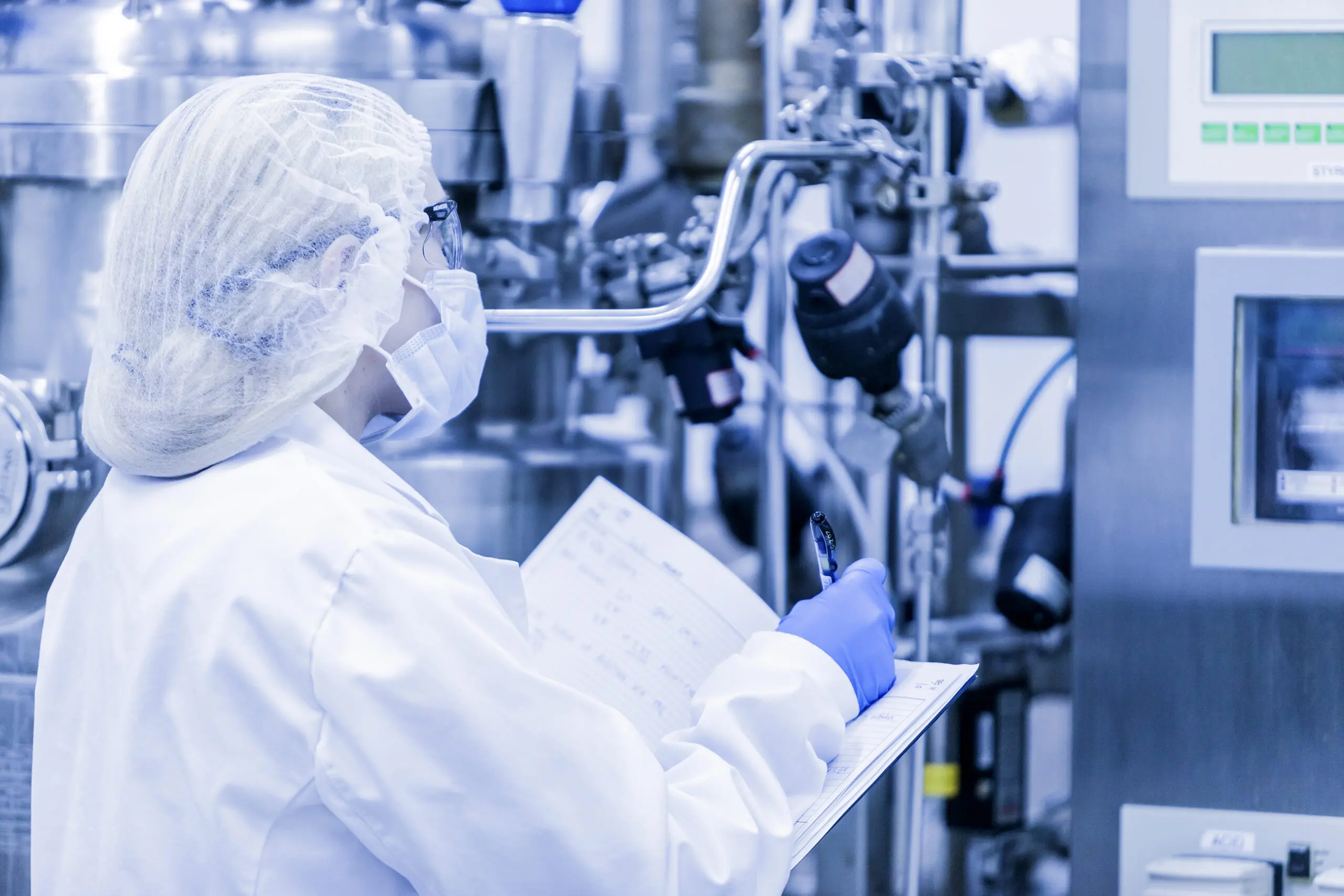
The Science Behind the Shell
Chitin is one of the most abundant natural polymers on Earth. Found in the shells of crustaceans and invertebrate animals such as insects and spiders, it plays a structural role in nature and a surprising one in human biology. Scientists at Genis have developed ChitoBiomerTM, a proprietary biomaterial derived from chitin in these shrimp shells. Research has shown that the ChitoBiomerTM supports tissue regeneration and promotes natural healing.
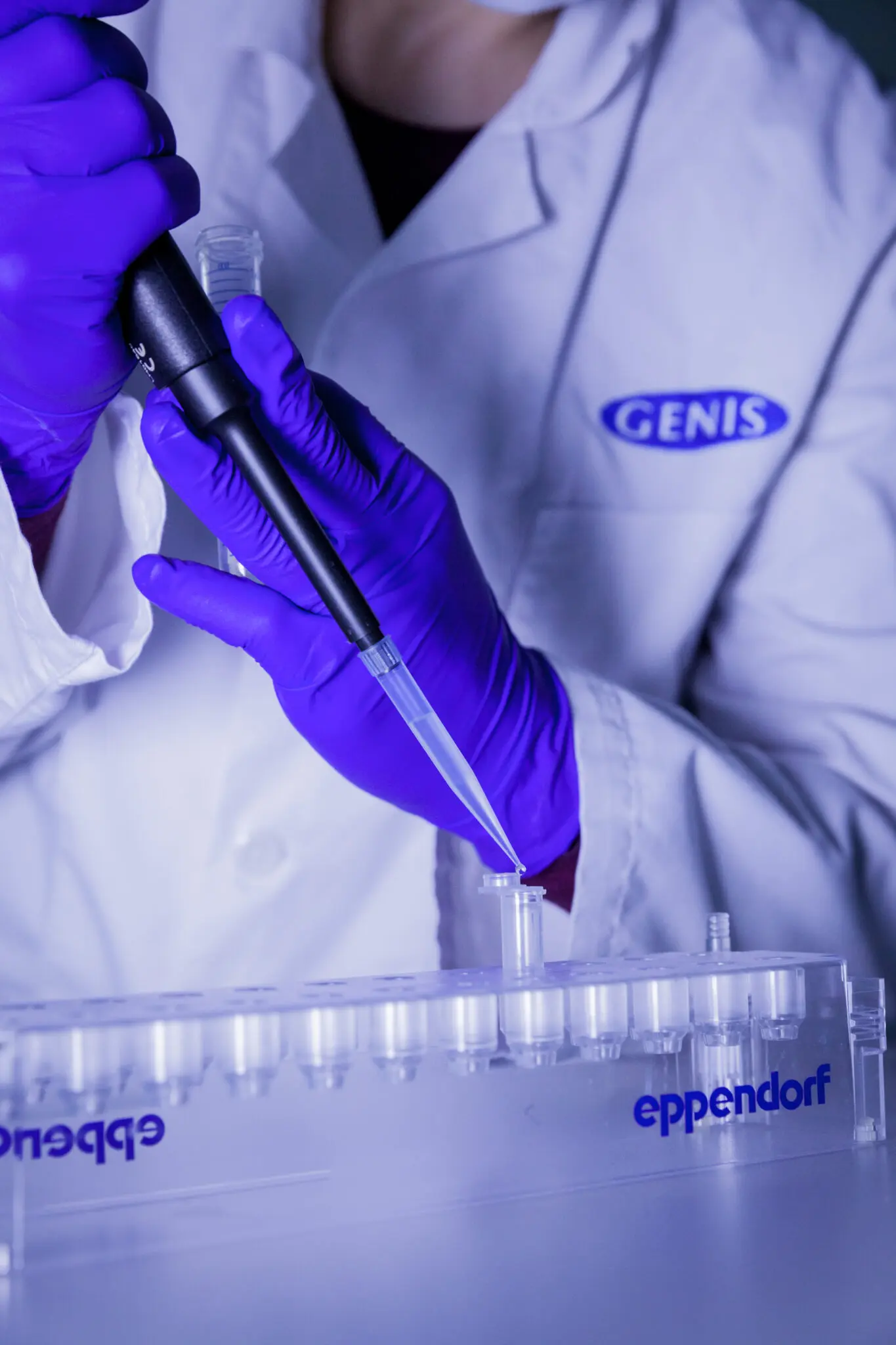
Based on two decades of research and development, the innovation lies in a carefully refined manufacturing process. Using this proprietary approach, the company produces ChitoBiomer™, a biomaterial designed for a range of medical applications, from filling gaps in damaged bone to supporting the integration of implants with the body, including custom-made 3D-printed implants.
According to CEO and Professor Sesselja Omarsdottir, this is just the beginning. “We are developing solutions to demonstrate that sustainable, natural materials can be the foundation for next-generation biomaterials that meet real clinical needs and improve quality of life.”
Why Iceland?
Genis’s progress is closely tied to Iceland itself. The country’s sustainably managed resources, a supportive, unified healthcare system, and a trusted R&D ecosystem make it an ideal testbed for biotech innovation. The company benefits from close collaboration with universities, hospitals, and regulators in a country that values science-based solutions and encourages global partnerships.
The Future of Bone Regenerative Solutions
Genis is now working with partners around the world as it prepares for its next phase of growth. Building on its ChitoBiomer™ technology, the company is exploring how this biomaterial could be used across a range of medical settings, from trauma surgery and joint implants to conditions that affect bone strength over time.
“Our work began with shrimp shells,” says CEO Sesselja Ómarsdóttir, “but it has grown into something far larger. We are showing how materials from nature can be thoughtfully developed to support better healing and recovery.”
Over 80% of life science companies are based in the capital region
Download the full Life Sciences in Iceland report to access data, insights, and success stories from one of the world’s most agile and sustainable life science environments.